
BOBBYY Makes a Case for Radical Sincerity on TACKYY
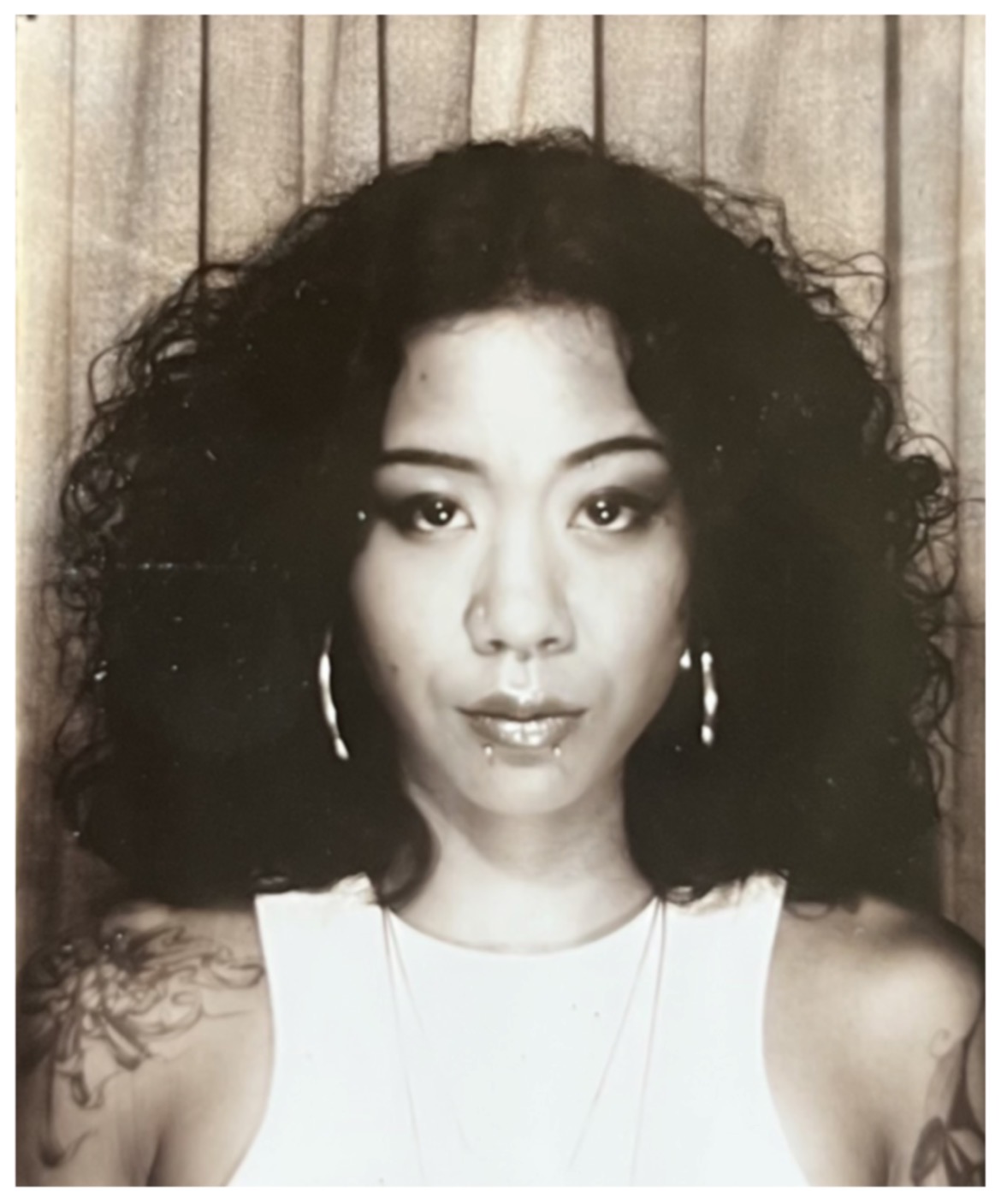

On his new 20-track album, the Los Angeles-based drummer and producer explores vulnerability, self-belief, and the beauty of caring too much.
In a cultural landscape where detachment is often mistaken for confidence (hey, LA & the music industry), there's something quietly radical about caring. Caring about your work, your community, the people around you, and the things you believe in. For drummer, producer, and multidisciplinary collaborator BOBBYY, that sentiment sits at the center of his latest album, TACKYY, released October 16, 2026 via Dynamite Hill Records, the label founded by Pink Siifu.
The Seattle-born, Los Angeles-based artist has spent years developing a musical language rooted in experimentation and collaboration. His work moves fluidly between jazz, hip-hop, electronic music, and improvisation, reflecting an approach to music-making that feels less concerned with genre and more interested in possibility.
With TACKYY, BOBBYY turns that curiosity inward, examining the complicated relationship between sincerity and self-expression.
The album's title offers an unveiled and direct communication. To describe something as tacky is often to dismiss it as excessive, embarrassing, or lacking sophistication. Yet what happens when the things we consider embarrassing are simply expressions of genuine enthusiasm? When did being passionate become synonymous with being corny? And why has emotional restraint become such a defining characteristic of what we consider cool?
BOBBYY reflected on the vulnerability of expressing genuine passion in a world that often rewards indifference.
"I started thinking about how genuinely caring about something and trying really hard can come across as tacky," he explains. "It's safer to say 'I didn't study for the test so if I fail that's why'. Whereas saying, 'I really care about this. I work hard on this. This means something to me,' can make you feel exposed."
Rather than shy away from these questions, BOBBYY embraces them. TACKYY challenges the idea that vulnerability, effort, and earnestness are qualities worth concealing. It suggests that believing deeply in something, even at the risk of looking foolish, can be its own form of liberation.
The album's beginnings, however, were much more technical than philosophical.
In October 2024, BOBBYY found himself with a collection of approximately 10 to 15 songs, all created using an Elektron Digitakt, a sampling drum machine he had purchased during the pandemic. Despite the songs moving between different genres, he noticed something cohesive about their sound.
"I've always believed in intentional limitation as a creative force," he shares. What initially began as an experiment in producing an entire record around one piece of equipment eventually evolved into something far more personal. "The emotional side of it - the actual 'why' of the record - came later," BOBBYY explains. "I started realizing that a lot of these songs were coming from a place of things I needed to hear myself. They were essentially gentle reminders that I needed at that point in my life."
Going through a difficult period in 2024, BOBBYY found himself returning to the music not simply as its creator, but as someone who needed its messages.
Across 20 tracks, the album explores spirituality, self-belief, perseverance, masculinity, and community. Songs like "Your Soul Is Smart," "You've Got The Magic," and "Gentle Reminders" offer moments of reassurance, while other contributions challenge listeners to remain accountable to themselves and the world around them. These ideas exist alongside one another without demanding that the listener choose between optimism and reality.
"Sometimes messages about faith, perseverance, self-belief, love, or spirituality can be delivered in a shallow or overly sweeping way," he acknowledges. "But there was something important to me about publicly declaring those things anyway." It's a sentiment that feels especially relevant in a time when irony, aesthetic presentation, and the appearance of effortlessness can sometimes overshadow genuine intention.
BOBBYY also recognizes how these expectations intersect with masculinity, particularly the ways men are conditioned to distance themselves from vulnerability, uncertainty, and wonder.
"There are a lot of boxes masculinity can put men into that make vulnerability feel corny or tacky," he explains, pointing toward the discomfort of admitting that you're trying, embracing spirituality, or acknowledging that you don't have everything figured out.
The record becomes an exercise in unlearning those expectations. Not by presenting vulnerability as something extraordinary, but by allowing it to exist naturally within the music. That same openness extends to the album's collaborative process.
Featuring contributions from Pink Siifu, Salami Rose Joe Louis, Sam Gendel, AKAI SOLO, Mndsgn, Demae, Miguel Atwood-Ferguson, and more, TACKYY brings together artists whose individual practices exist across a wide spectrum of contemporary independent music.
Their involvement speaks not only to BOBBYY's musical versatility but also to the creative community surrounding him.
Reflecting on his first album, Buckets, BOBBYY describes a project largely built independently, with much of the music created in his garage. It was an opportunity to prove to himself that he could bring a record into existence. TACKYY, however, represents a different chapter in his artistic development.
"With TACKYY, I really embraced a larger vision socially and emotionally," he shares. Surrounded by friends and musicians whose individual talents could expand upon his initial ideas, BOBBYY began inviting collaborators to contribute to the sketches he had developed on the Digitakt. "That opened up the possibility of making sounds and ideas I simply couldn't have made on my own before." There's something particularly significant about an album concerned with sincerity being built through collaboration. In an industry that frequently celebrates individual genius, TACKYY makes room for collective expression. The record becomes more than a reflection of one artist's internal world; it becomes a meeting place for different musical voices and shared creative instincts.
BOBBYY cites Quincy Jones as an inspiration for this approach to creation: an artist who understands the emotional direction of a project while inviting others to help realize its fullest potential. It's a philosophy that feels deeply connected to the musical landscape of Los Angeles, a city whose independent creative communities have long thrived through collaboration across disciplines and genres.
For BOBBYY, that connection is personal. "This album really is a love letter to Los Angeles and my time here," he tells JIJI's Jazz Club. "You can't overstate how influenced it is by this city." Having moved to Los Angeles five years ago, drawn by the music and artists emerging from its creative ecosystem, BOBBYY has spent much of his time building relationships that would eventually shape the record.
"A lot of that came from just being outside, going to shows, meeting people, becoming friends, and then eventually making music together." There is something beautifully ordinary about that description. The creative relationships that shape an album like TACKYY aren't necessarily born from calculated networking or industry strategy. Sometimes they begin with showing up, sharing space, and being genuinely interested in the people around you. The record's communal nature reflects an understanding that music is not created in isolation, even when the initial idea begins with one person.
In many ways, TACKYY is as much a document of BOBBYY's relationships as it is a reflection of his own artistic development. What makes the album compelling is not simply its impressive list of collaborators or its ambitious tracklist. It's the philosophy underneath it all.
The album asks listeners to reconsider the social expectations that shape how we express ourselves. Particularly within conversations surrounding masculinity, where emotional openness can still be interpreted as weakness, BOBBYY presents sincerity as something worth celebrating rather than suppressing. There is strength in allowing yourself to be enthusiastic.
There is confidence in admitting that something matters to you. And there is freedom in creating without constantly negotiating how your expression might be perceived. "Just because something makes you feel vulnerable doesn't mean it's lame or in bad taste."
Perhaps the most interesting thing about TACKYY is that its message extends well beyond music. It speaks to the ways we participate in our communities, navigate relationships, and develop our sense of self. It challenges the instinct to distance ourselves from the things we love simply because we're afraid of being seen loving them too much.
In an era defined by irony, carefully constructed personas, and the pressure to appear effortlessly cool, BOBBYY offers an alternative: show up wholeheartedly.
TACKYY is ultimately a celebration of that willingness.
A record that finds beauty in collaboration, meaning in vulnerability, and power in being unapologetically sincere.
Maybe caring too much was never the problem.


Comments